Leave Your Message
0%

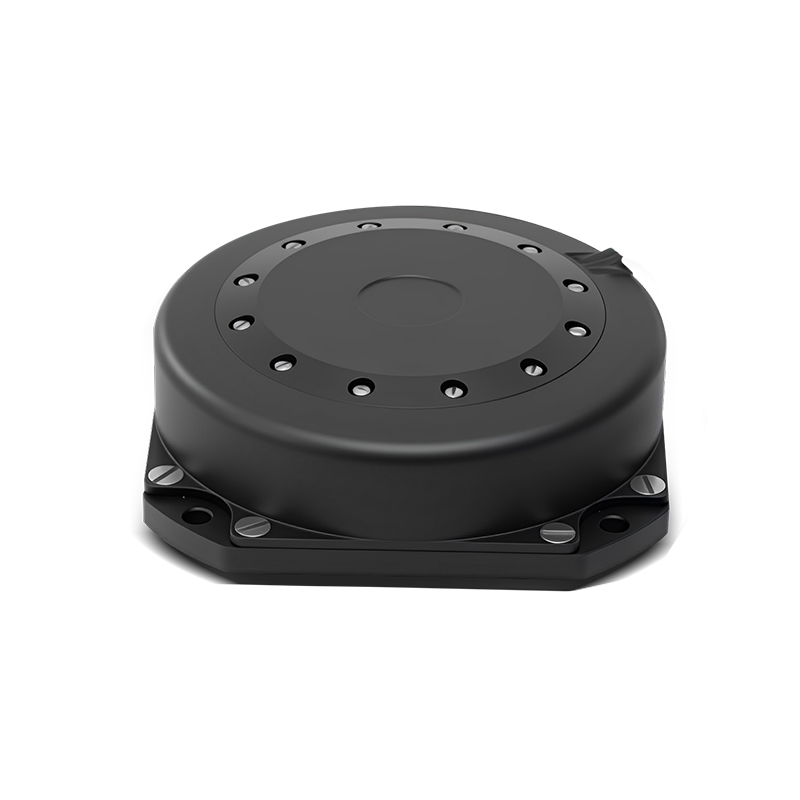
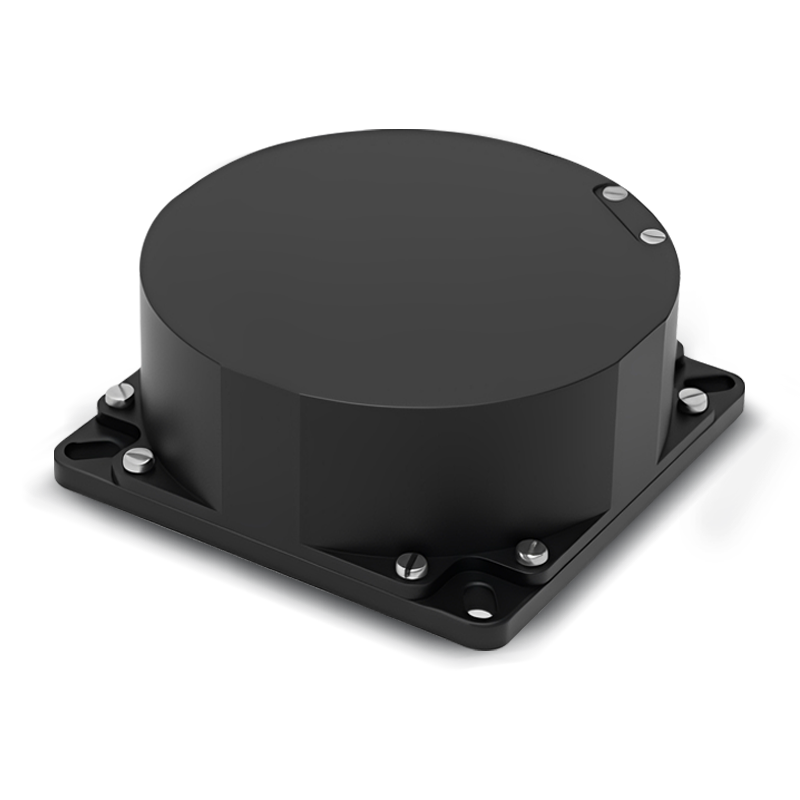
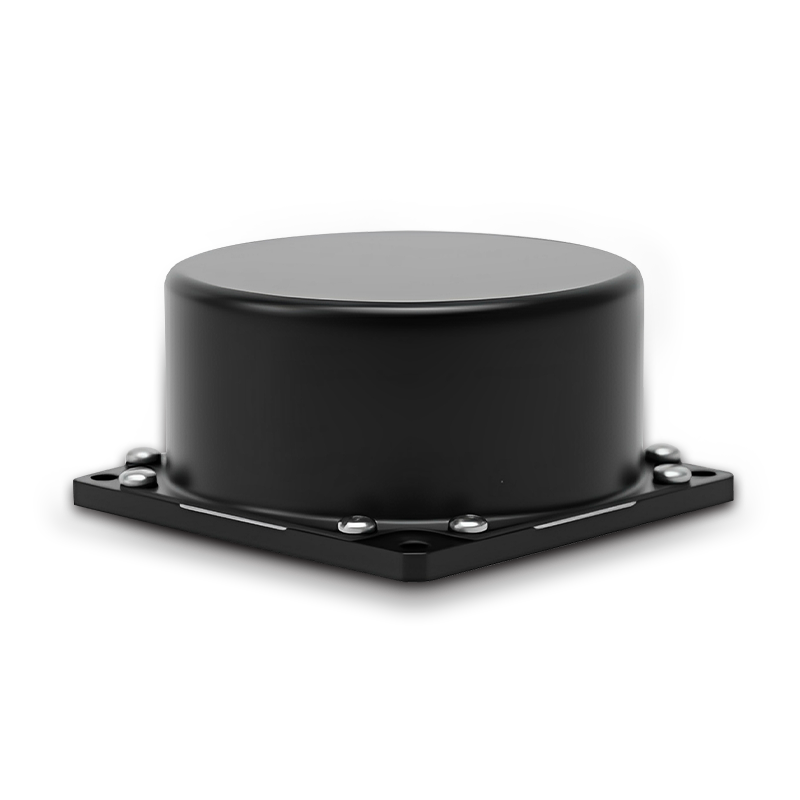
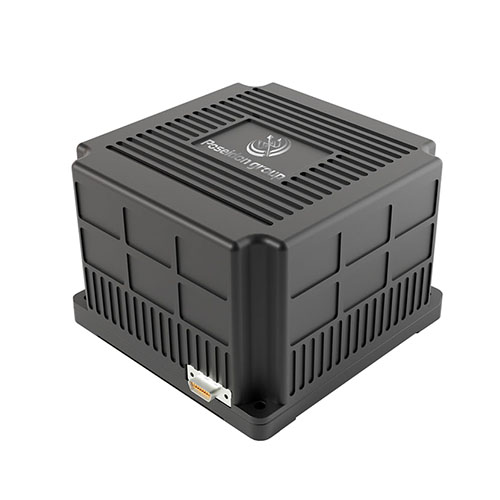
In the fast-moving world of motion tracking tech, you really can't overstate how crucial and dependable inertial sensor systems are. They’re basically the backbone behind a bunch of cool stuff—think autonomous cars, aerospace navigation, robots—and they provide the vital data needed for accurate movement analysis and control. As we take a closer look at the top 5 inertial sensors for 2025, it’s worth giving a shoutout to industry trailblazers like Poseidon International Group from Hong Kong.
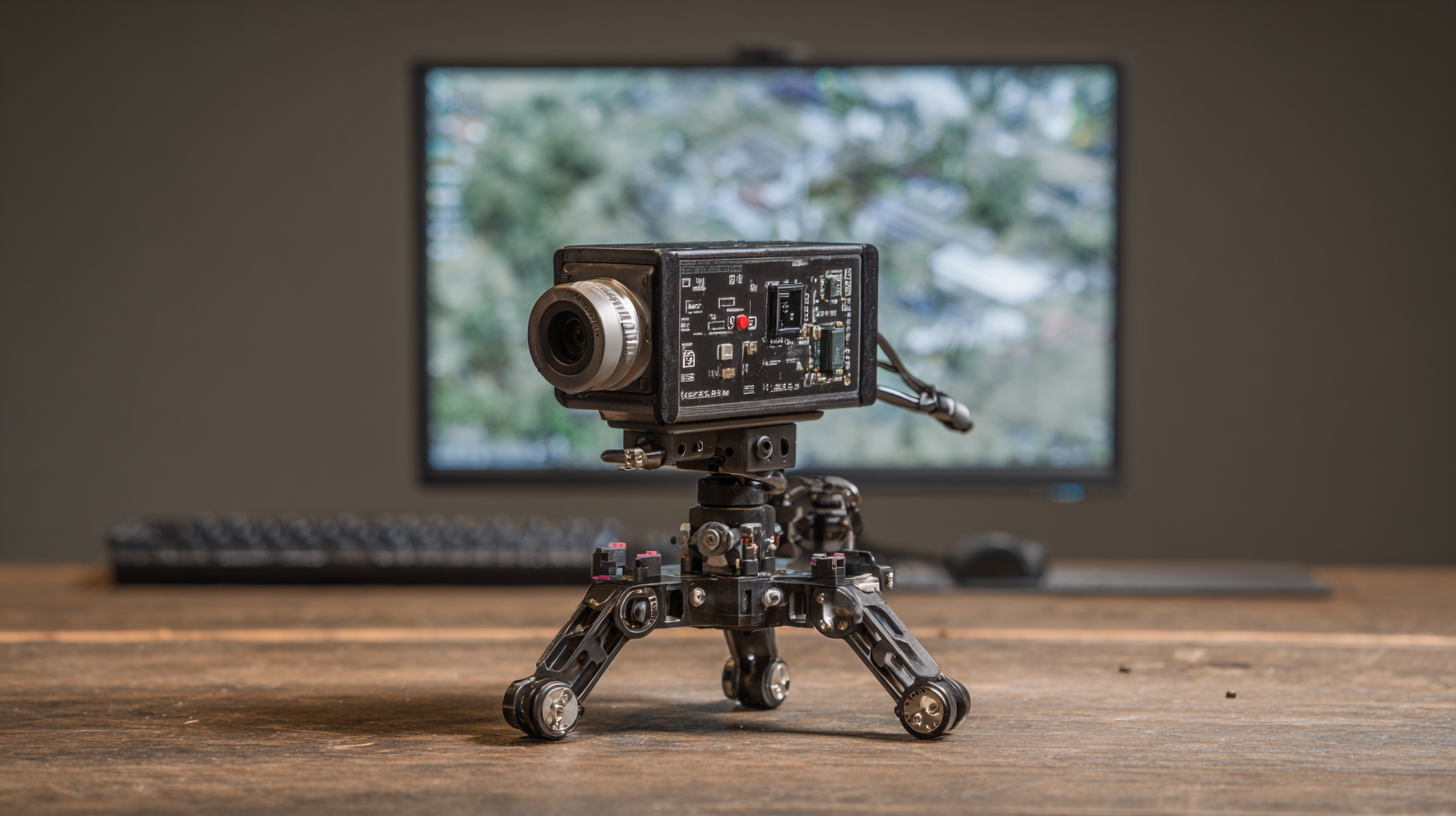
10 Best Inertial Sensor Systems for Accurate Motion Tracking

Founded back in 2013, Poseidon has been all about the research, design, and manufacturing of innovative stuff—like fiber optic gyroscopes and inertial navigation systems. They’ve got a real focus on attitude control, autonomous driving tech, and whatnot. In fact, they’ve snagged several patents, which shows just how serious they are about pushing boundaries and making advances in this field. Their mix of cutting-edge tech and a deep understanding of what the market needs puts Poseidon in a pretty strong position to shape the future of inertial sensors. When we look at the top players right now, we’re highlighting what makes these systems stand out—what features and capabilities really define the best motion tracking tech out there.

Overview of Inertial Sensor Systems and Their Importance

Inertial sensor systems play a crucial role in accurately tracking motion in various applications, from consumer electronics to aerospace engineering. These systems utilize accelerometers, gyroscopes, and sometimes magnetometers to measure changes in velocity, orientation, and gravitational forces. The data collected by these sensors allows for precise navigation, stabilization, and motion detection, which are essential for activities such as drone flight, virtual reality gaming, and autonomous vehicle navigation.

The importance of inertial sensor systems cannot be overstated, as they provide the foundational technology that enables many modern devices to function effectively in dynamic environments. They help enhance user experiences in smartphones and fitness trackers by accurately capturing movement, while in industrial settings, they contribute to machinery automation and robotics.

As the demand for advanced motion tracking continues to grow, the development of more sophisticated inertial sensor systems is vital for improving performance and reliability across numerous sectors.

Key Features to Consider When Choosing Inertial Sensors

When selecting an inertial sensor system for precise motion tracking, several key features warrant careful consideration. First and foremost is the sensor type, primarily between accelerometers and gyroscopes. According to a report by market research firm Research and Markets, the global inertial measurement unit (IMU) market is expected to grow at a CAGR of 8.5% from 2021 to 2026, driven largely by advancements in MEMS technology and the increasing demand for high-accuracy motion tracking in various applications. Thus, understanding the specific roles of these sensors—where accelerometers measure linear acceleration and gyroscopes gauge angular velocity—is crucial for ensuring effective motion tracking.

Another critical feature is the level of accuracy and precision offered by the sensor system. High-performance inertial sensors typically provide a low noise density and high dynamic range, enabling them to function well in diverse environments. A study published in the Journal of Navigation highlights that sensor accuracy is vital for applications in aerospace and robotics, where even minor errors can accumulate and lead to significant deviations over time. Additionally, it’s essential to consider the sensor's calibration methods and environmental resilience, as these factors can greatly influence performance in real-world scenarios.

Top Applications of Inertial Sensor Systems in Motion Tracking

Inertial sensor systems have revolutionized motion tracking across various industries, providing precise and reliable data crucial for diverse applications. In automotive technology, for example, inertial sensors are integral to Advanced Driver Assistance Systems (ADAS), enabling functionalities such as lane-keeping assistance and collision avoidance. A recent report from MarketsandMarkets projected that the global market for inertial sensors in automotive applications is expected to reach $18.4 billion by 2025, driven by the increasing trend towards automation and enhanced driver safety.

In the healthcare sector, inertial sensor systems contribute significantly to patient monitoring and rehabilitation. Wearable devices equipped with inertial sensors allow for real-time tracking of a patient's movements, providing healthcare practitioners with data that can be critical for assessing recovery progress. According to a report by Research and Markets, the wearable healthcare devices market is projected to grow to $187.6 billion by 2026, highlighting the importance of motion tracking technologies in improving patient outcomes. As these systems continue to evolve, their applications are set to expand further, ultimately enhancing the precision and efficiency of motion analysis across various domains.

10 Best Inertial Sensor Systems for Accurate Motion Tracking

Comparison of Leading Inertial Sensor Models and Technologies

In the ever-evolving field of motion tracking, the comparison of leading inertial sensor models and technologies is crucial for achieving accurate and reliable results. Recent advancements in quantum sensing technologies, such as airborne absolute gravimetry with quantum sensors, showcase how these innovations can outperform classical systems by eliminating the need for calibrations and drift estimations. This promises significant improvements in precision for applications ranging from geophysical measurements to potential enhancements in consumer electronics.

Furthermore, the integration of machine learning with inertial measurement units (IMUs) has opened new avenues in various fields, including personalized gait analysis in children and innovative approaches to estimate human kinematics. Research indicates that utilizing behavioral constraints alongside IMUs can lead to enhanced kinematic estimations, paving the way for breakthroughs in health monitoring and sports applications.

Tips: When selecting an inertial sensor system, consider factors such as calibration requirements, integration with ML algorithms, and application-specific performance metrics. Moreover, explore the latest advancements in MEMS technology, as they are rapidly becoming the go-to choice for many industries due to their compactness and efficiency. Always keep an eye on emerging quantum technologies that may redefine the landscape of motion tracking systems.

10 Best Inertial Sensor Systems for Accurate Motion Tracking

Future Trends in Inertial Sensor Development and Motion Tracking Innovation

The future of inertial sensor development is poised to revolutionize motion tracking across various industries. With advancements in microelectromechanical systems (MEMS) technology, sensors are becoming more compact, energy-efficient, and affordable. Additionally, the integration of artificial intelligence (AI) is enhancing the capabilities of inertial sensors, enabling them to interpret complex motion patterns and provide more accurate feedback for applications ranging from gaming to healthcare.

10 Best Inertial Sensor Systems for Accurate Motion Tracking

Tips: When selecting inertial sensors for your project, consider the specific application requirements, such as the range of motion and environmental conditions. Look for sensors that offer high sensitivity and low drift to ensure precision in data collection.

In addition, future trends are expected to focus on the development of advanced calibration techniques and sensor fusion algorithms. These innovations will improve the robustness and reliability of motion tracking systems, allowing for seamless integration with other technologies like augmented reality (AR) and virtual reality (VR). As industries continue to explore the potentials of inertial sensors, staying updated on these trends will be crucial for developers and engineers.

Tips: Stay informed about emerging technologies in sensor fusion and machine learning, as these will play a vital role in enhancing inertial sensor applications. Regularly review industry publications and attend relevant conferences to keep abreast of the latest breakthroughs.

FAQS

: What are inertial sensor systems used for?

: Inertial sensor systems are used for accurately tracking motion in various applications, including consumer electronics, aerospace engineering, drone flight, virtual reality gaming, and autonomous vehicle navigation.

What types of sensors are included in inertial sensor systems?

Inertial sensor systems typically include accelerometers, gyroscopes, and sometimes magnetometers to measure changes in velocity, orientation, and gravitational forces.

Why are inertial sensor systems important in modern technology?

They provide the foundational technology that enables many modern devices to function effectively in dynamic environments, enhancing user experiences and contributing to automation in industrial settings.

What future trends are expected in inertial sensor development?

Future trends include advancements in microelectromechanical systems (MEMS) technology, making sensors more compact, energy-efficient, and affordable, along with the integration of artificial intelligence for improved motion pattern interpretation.

What should be considered when selecting inertial sensors for a project?

Consider the specific application requirements, such as the range of motion, environmental conditions, and look for sensors that offer high sensitivity and low drift for precision in data collection.

How will advanced calibration techniques and sensor fusion algorithms impact motion tracking?

These innovations will improve the robustness and reliability of motion tracking systems, allowing for better integration with technologies like augmented reality (AR) and virtual reality (VR).

How can developers and engineers stay updated on inertial sensor trends?

They can stay informed by reviewing industry publications, attending relevant conferences, and keeping up with emerging technologies in sensor fusion and machine learning.

What role does artificial intelligence play in the future of inertial sensors?

AI enhances the capabilities of inertial sensors by enabling them to interpret complex motion patterns and provide more accurate feedback for various applications, including gaming and healthcare.

How do inertial sensors enhance user experiences in consumer electronics?

Inertial sensors accurately capture movement, leading to improved functionality in devices like smartphones and fitness trackers, thus enhancing user experiences.

What is the significance of low drift in inertial sensors?

Low drift is important for ensuring precision in data collection, which is crucial for applications requiring accurate motion tracking and navigation.

Conclusion

Inertial Sensor Systems are pivotal for accurate motion tracking across various applications, from autonomous driving to aerospace. Understanding their key features, such as sensitivity, range, and integration capability, is essential for selecting the right system. The article highlights the top applications of these systems, illustrating their critical role in enhancing performance and safety in dynamic environments.

As the market evolves, leading models and technologies are continually compared to discern the best options available. Future trends suggest advancements in sensor accuracy and integration with artificial intelligence, paving the way for next-generation motion tracking solutions. At Poseidon International Group, where we specialize in the research and production of innovative inertial navigation systems and fiber optic gyroscopes, our commitment to advancing inertial sensor technology is steadfast, ensuring we remain at the forefront of this rapidly developing field.


Sophie

Sophie

Sophie is a dedicated marketing professional at Poseidon, a pioneering company established in 2013, specializing in the independent research, design, and production of advanced technologies, including fiber optic gyroscopes (FOG), inertial navigation systems (INS), and autonomous driving systems.......
Previous How the Best Inertial Sensor System Fuels China's Manufacturing Growth Amidst US-China Tariff Challenges