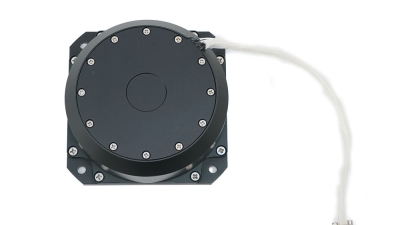
You know, the aviation industry has really taken off in terms of tech advancements recently, especially when it comes to Inertial Navigation Systems (INS). These systems are totally key for boosting the accuracy and reliability of how aircraft navigate. It’s pretty wild to think that the global market for these inertial navigation systems is set to skyrocket from around $9.8 billion in 2021 to a whopping $19.5 billion by 2026, with a compound annual growth rate of about 14.8%! That’s some serious growth (thanks, MarketsandMarkets)! A big name in this game is Poseidon International Group (Hong Kong) Limited, which kicked things off back in 2013. They’re all about that independent research, design, and production of top-notch fiber optic gyroscopes and inertial navigation systems. Plus, they’ve snagged quite a few technical patents along the way, making them a real player in the field. With the demand for these advanced navigation systems on the rise, it’s definitely worth diving into the cutting-edge inertial navigation tech coming out of China, especially for those involved in the aviation biz.
Global Demand for Inertial Navigation Systems in the Aviation Sector
You know, these days, the global demand for inertial navigation systems (INS) in aviation is really taking off—no pun intended! It seems like every time you look around, tech advancements and a big push for flight safety are driving this growth. A recent report from MarketsandMarkets even highlights that the INS market is projected to jump from around USD 10.86 billion in 2021 to about USD 16.76 billion by 2026, which translates to an impressive compound annual growth rate (CAGR) of 8.3%. A lot of this increase comes from more folks getting into unmanned aerial vehicles (UAVs) and the ongoing modernization of aviation infrastructure.
Now, let’s talk about China—a country that's really stepping up in this arena. They’re seriously investing in boosting their aerospace capabilities, and it's showing. Chinese manufacturers are cranking up the production of high-precision INS solutions and are becoming a key supplier for both local and global aerospace markets. As we see a growing need for better aviation tech—with an eye on automation and stricter safety regulations—China’s innovations in INS are likely to play a major role in shaping the future of aviation. They're definitely coming up with some solid solutions that align with the industry's changing needs.
The Rise of Chinese Manufacturing in Aerospace Technology
Lately, the aerospace sector has really been booming, especially when it comes to Chinese manufacturing abilities, particularly in inertial navigation systems (INS). A report from the China Aerospace Science and Technology Corporation suggests that by 2035, China’s aerospace market could hit a whopping $900 billion. That’s a huge sign that there’s a solid demand for fresh, innovative technologies! It’s pretty impressive how Chinese companies are stepping up as serious contenders in the aerospace tech world. This shift is largely due to smart investments in research and development, plus a real focus on making navigation systems more precise and reliable.
As China carves out its place in the global aerospace scene, experts are saying it’s super important for manufacturers to stick to best practices in quality control and technology integration. You know, putting rigorous testing standards into place can make sure that inertial navigation systems live up to international specs, which is absolutely crucial for those high-stakes aviation applications. Plus, teaming up with global partners can really spark innovation and help bring in the latest tech, keeping Chinese manufacturers right at the cutting edge of aerospace developments.
Pro tip: If companies want to stay competitive in this fast-paced industry, they should totally focus on ongoing training for their teams. Emphasizing new technologies and methods in aerospace manufacturing isn’t just a good idea for productivity; it helps create a culture of innovation that’s essential for long-term success in this field.
Quality Assurance: How China is Setting New Standards for Navigation Systems
You know, over the past few years, China has really stepped up its game, becoming a major player in the world of inertial navigation systems, or INS for short. This is especially true in the aviation sector. I came across a report from ResearchAndMarkets that predicts the global INS market will hit a whopping $11.1 billion by 2025, with a good chunk of that growth coming from new tech developments in China. As these manufacturers get into full swing, they’re putting a big emphasis on quality assurance, making sure their systems meet tough international standards.

It's pretty impressive how committed China is to quality. They stick to ISO 9001 standards and have developed serious testing and certification processes. For example, the China Academy of Aerospace Aerodynamics (CAAA) is always busy fine-tuning their testing methods to ensure that the navigation systems are reliable and precise. This is super important, especially since recent statistics show that about 30% of aircraft accidents are linked to navigation errors. By stepping up their quality game, China isn’t just boosting their own capabilities; they’re also gearing up to compete on the global market, setting the bar higher for the whole industry. How cool is that?
Innovative Technologies Driving China’s Inertial Navigation Advancements
You know, China’s aviation industry is really going through a massive transformation right now, and it’s all thanks to some pretty cool innovations in inertial navigation systems (INS). I came across a report recently that said the global inertial navigation market is set to hit around $13.5 billion by 2026, and China is definitely going to be at the forefront of this exciting growth. A big part of this leap is due to the new advancements in miniaturization and sensor tech, which are crucial for providing the kind of high-accuracy navigation solutions modern aircraft need.
One of the coolest breakthroughs coming out of China is the development of strong MEMS (Micro-Electro-Mechanical Systems) gyroscopes. These little gadgets have really boosted the precision and reliability of navigation systems. Compared to the old-school setups, MEMS gyroscopes are a game-changer in terms of size and performance, making them perfect for drones and commercial planes. A study from the China Air Transport Association even found that adding these advanced INS technologies can up navigation precision by more than 30%. How awesome is that? It really helps tackle some of the big safety and efficiency issues we see in aviation today.
And here’s another interesting tidbit: there’s some serious teamwork happening between universities and the aviation industry that’s speeding up research and development in this area. Schools like Tsinghua and Zhejiang University are spearheading projects that focus on integrating artificial intelligence into navigation algorithms, which can really slice down error margins. With R&D investments expected to soar beyond $2 billion by 2025, it looks like the future of China’s inertial navigation systems is headed toward becoming the gold standard in the global aviation market.
Strategic Partnerships: China’s Role in Global Aviation Supply Chains
You know, China's aviation scene is really going through some exciting changes, especially when it comes to inertial navigation systems (INS). With the demand for cutting-edge navigation tech on the rise—global aircraft navigation systems market is predicted to hit about $14.7 billion by 2027—China is really stepping up its game. They’re putting a lot of effort into developing their own INS technology, which is paving the way for strategic partnerships that help solidify their position in the global aviation supply chain. It's all about resilience and reliability, especially given the unpredictable geopolitical climate we’re seeing these days.

What’s cool is that there’s a bunch of new collaborations popping up between Chinese companies and established players in the industry, which is pushing the envelope on INS tech. Take aerospace giants, for instance; teaming up with them could lead to some awesome innovations in miniaturization and accuracy—definitely a boost for safety and operational efficiency. Reports are showing that Chinese firms are really pouring money into research and development, and that’s super crucial if they want to stay competitive. By collaborating with international expertise, they’re not just leveling up their tech skills but also helping to stabilize global supply chains at the same time.
Now, here’s a little tip: when you’re looking at potential partnerships in the aviation world, keep an eye out for companies that really emphasize R&D and have a solid history of innovation. Those are the kind of allies that are all in for mutual growth.
And another thing, staying in the loop about the latest trends and insights in aviation tech is key. It can totally influence your strategic choices. So, diving into industry reports and forecasts is a smart move to catch wind of emerging opportunities.
Future Trends: The Next Generation of Inertial Navigation Systems from China
You know, the aviation industry is really changing fast, and it's pretty exciting to think about how trends in inertial navigation systems (INS) from China are going to shake things up globally. With technology moving forward like crazy—thanks to artificial intelligence and machine learning—we're seeing a whole new wave of INS that promise to make navigation not just more accurate, but a lot more reliable and efficient too. It’s like Chinese manufacturers are putting their money where their mouth is, investing a ton into R&D to boost sensor technologies and data fusion techniques. These elements are super important for making aviation systems perform better.
And get this: combining satellite navigation with autonomous capabilities is going to be a game changer for the next generation of INS. These systems are getting really sharp, adapting to all sorts of flight conditions. What’s more, companies in China are teaming up with international partners to spark innovation and speed up the adoption of these cutting-edge navigation solutions. It's pretty clear that this is going to have a huge impact on the aviation sector, leading to safer flights, lower operational costs, and a boost in overall flight efficiency in the coming years.
Enhancing Autonomous Flight: Insights from Recent Data on UAV Navigation Technologies and the Role of BSD98 Inertial Sensors
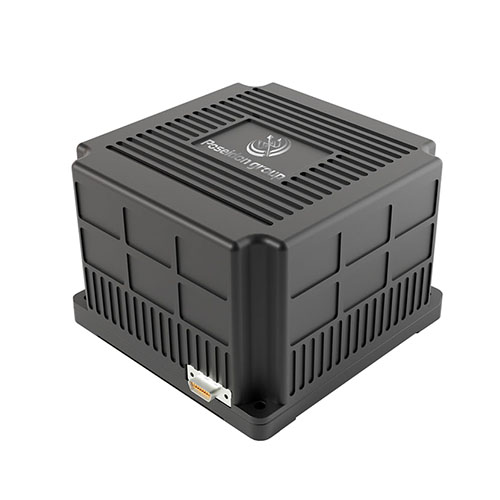
In the ever-evolving landscape of autonomous flight, recent data underscores the critical role of advanced navigation technologies, particularly in the integration of inertial sensors like the Poseidon BSD98. This high-performance fiber optic gyroscope is engineered to provide superior precision and versatility, boasting an impressive zero-bias stability ranging from 0.01°/h to 0.05°/h with a smoothing time of just 10 seconds. As reported by industry experts, systems that incorporate such high-precision inertial navigation capabilities are quickly becoming essential for robust UAV operations, particularly in complex environments where reliability is paramount.
The Poseidon BSD98 not only stands out for its exceptional performance specifications but also for its compact design, measuring 98mm×98mm×35mm and weighing under 470g. According to a recent industry report by the National Institute of Standards and Technology (NIST), improvements in inertial navigation accuracy can lead to a 30% increase in operational efficiency for UAVs in autonomous delivery applications. With its rapid startup capability and broad dynamic range, the BSD98 is ideally suited for vehicle-mounted positioning and advanced automation tasks, enabling autonomous systems to navigate with unparalleled accuracy even in challenging conditions.
Furthermore, the rugged design of the Poseidon BSD98 equips it with remarkable resistance to vibration and shock, making it a favorite choice among developers for mission-critical applications. As the demand for more sophisticated, reliable UAV navigation systems continues to rise, integrating advanced sensors like the BSD98 will be key to enhancing the overall performance and safety of autonomous flight technologies. These insights demonstrate not just technological advancements but also the growing importance of precision in the autonomous aviation sector.
FAQS
: The inertial navigation system market is expected to grow at a compound annual growth rate (CAGR) of 8.3%, increasing from USD 10.86 billion in 2021 to approximately USD 16.76 billion by 2026.
The demand is primarily driven by advancements in technology, an increasing focus on flight safety, the rising adoption of unmanned aerial vehicles (UAVs), and the modernization of aviation infrastructure.
China is becoming a pivotal player by ramping up the production of high-precision INS solutions, thereby emerging as a major supplier to both domestic and international aerospace markets.
China’s aerospace market is projected to grow to $900 billion by 2035, indicating robust demand for innovative technologies.
Experts recommend adopting best practices in quality control, technology integration, implementing rigorous testing standards, and collaborating with global partners to foster innovation.
It is crucial for these systems to meet international specifications because they are used in critical aviation applications, where precision and reliability are paramount.
Companies should invest in continuous training for their workforce, focusing on new technologies and methodologies, to enhance productivity and cultivate a culture of innovation.
The increasing emphasis on automation and safety regulations is leading to a higher demand for more sophisticated inertial navigation systems that can meet these requirements.

 TBSD60
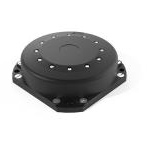 BSD120
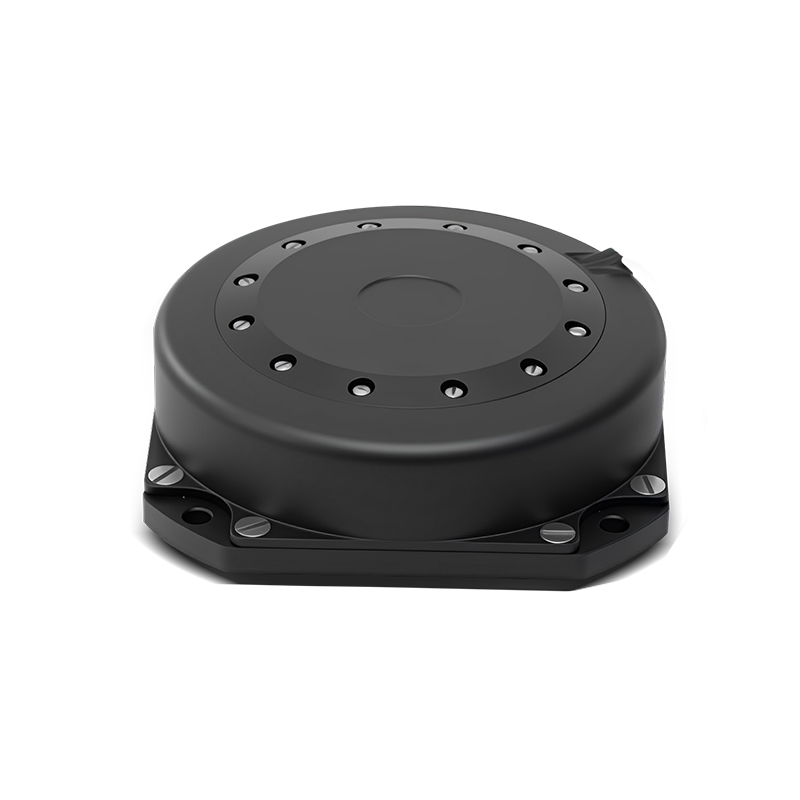 BSD98
BSD98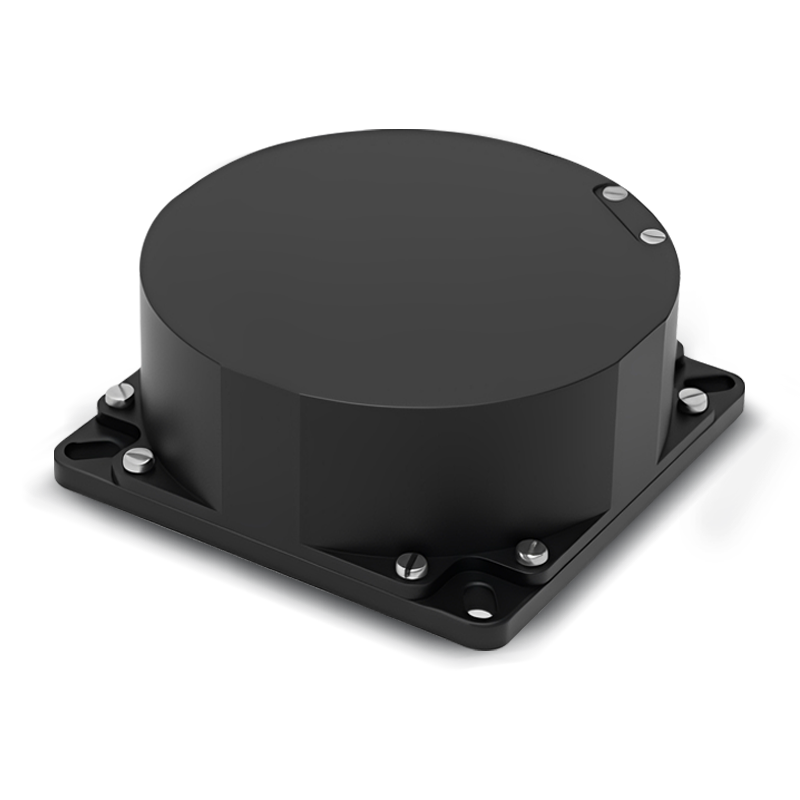 BSD70
BSD70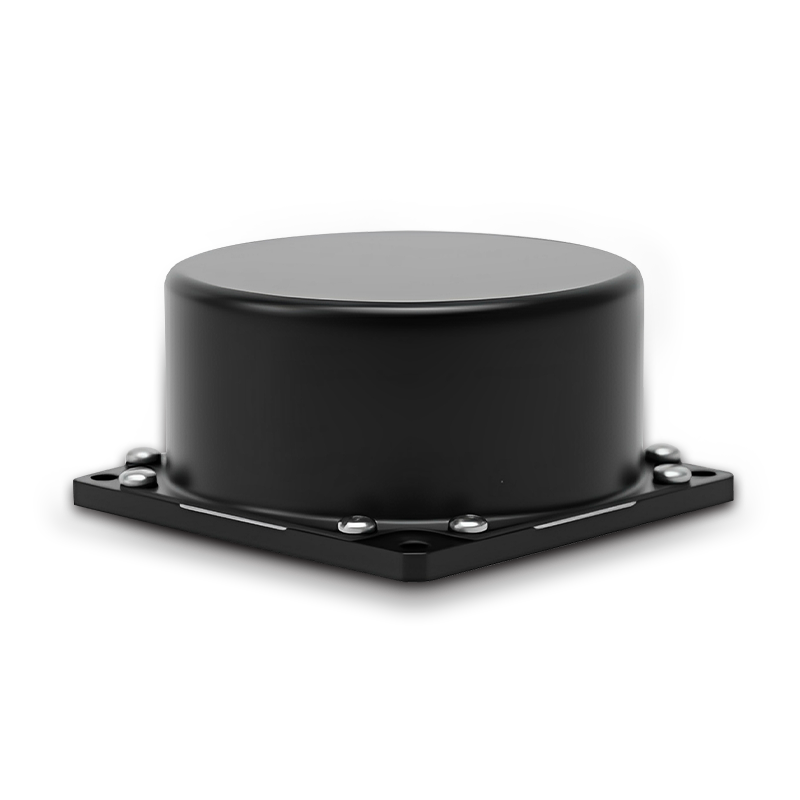 BSD60
BSD60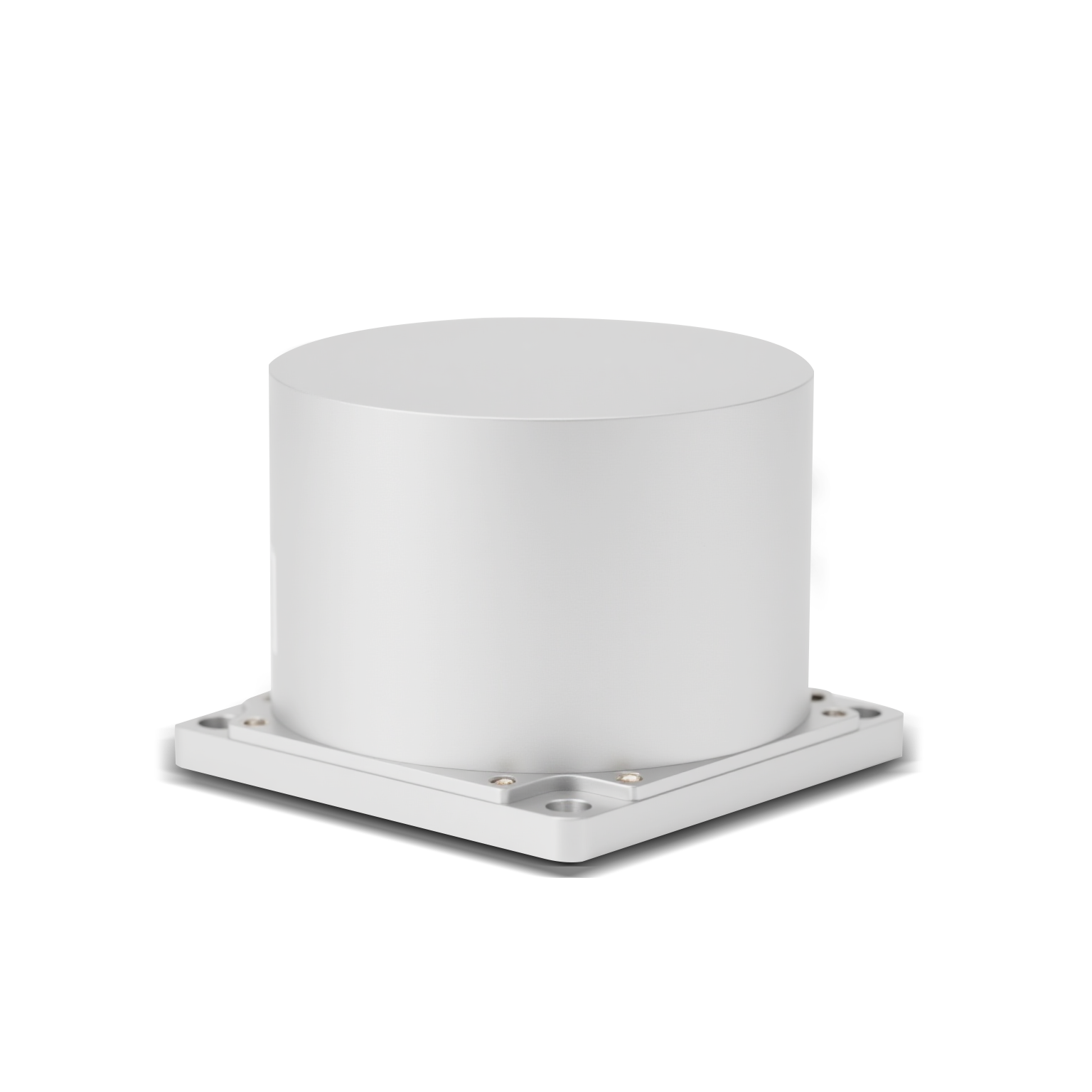 BSD50
BSD50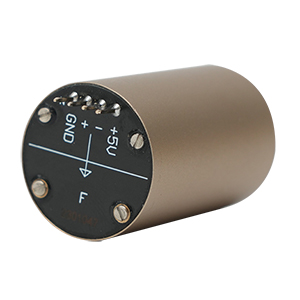 BSD217
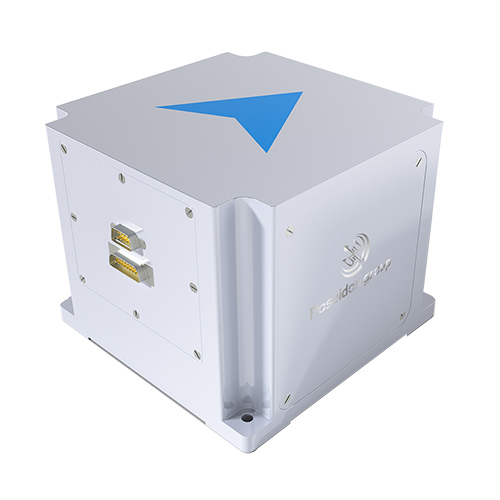 INS1700
 INS970
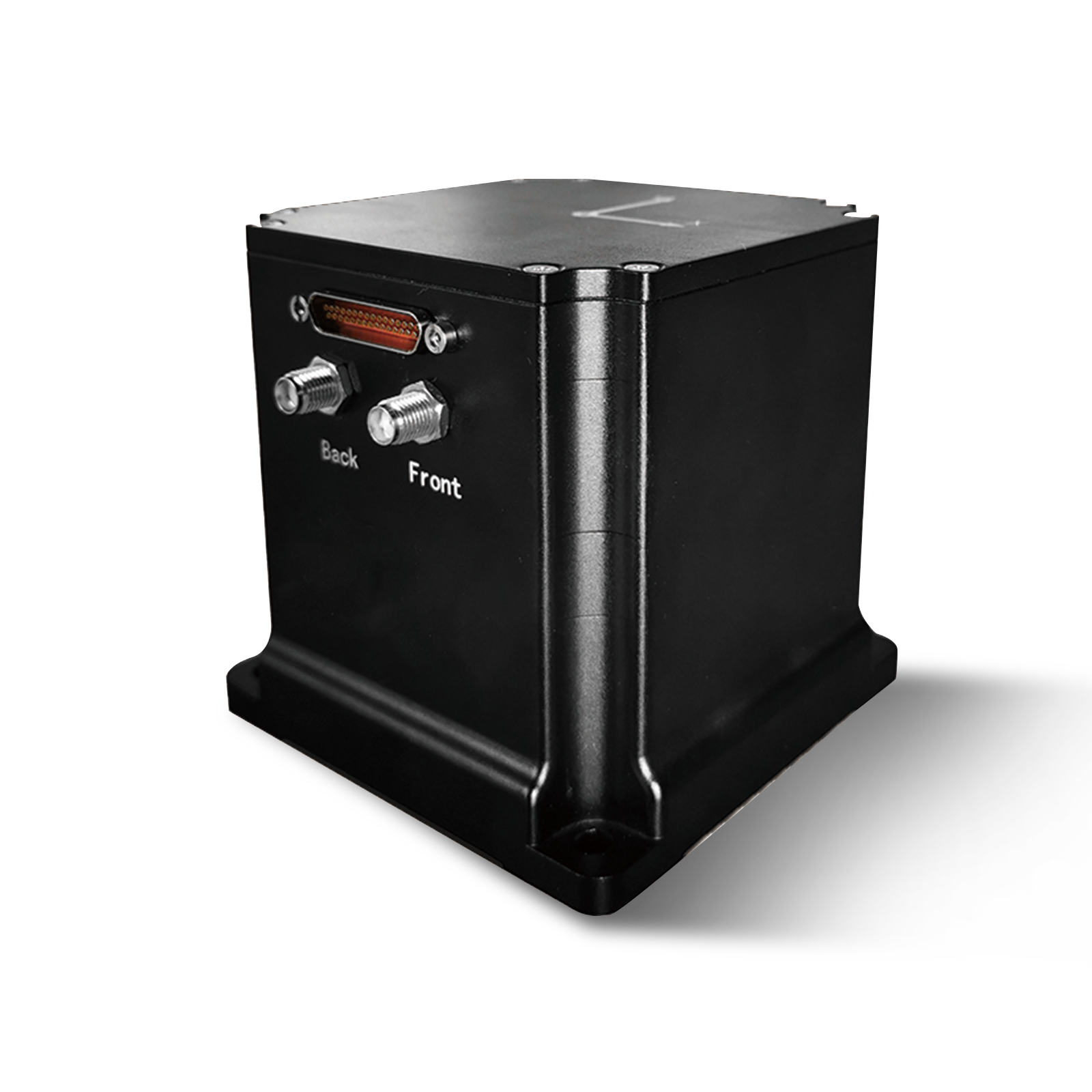 INS570
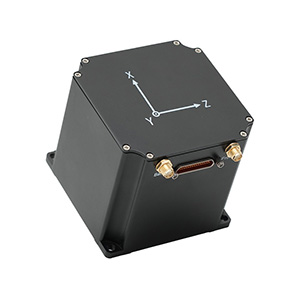 INS170
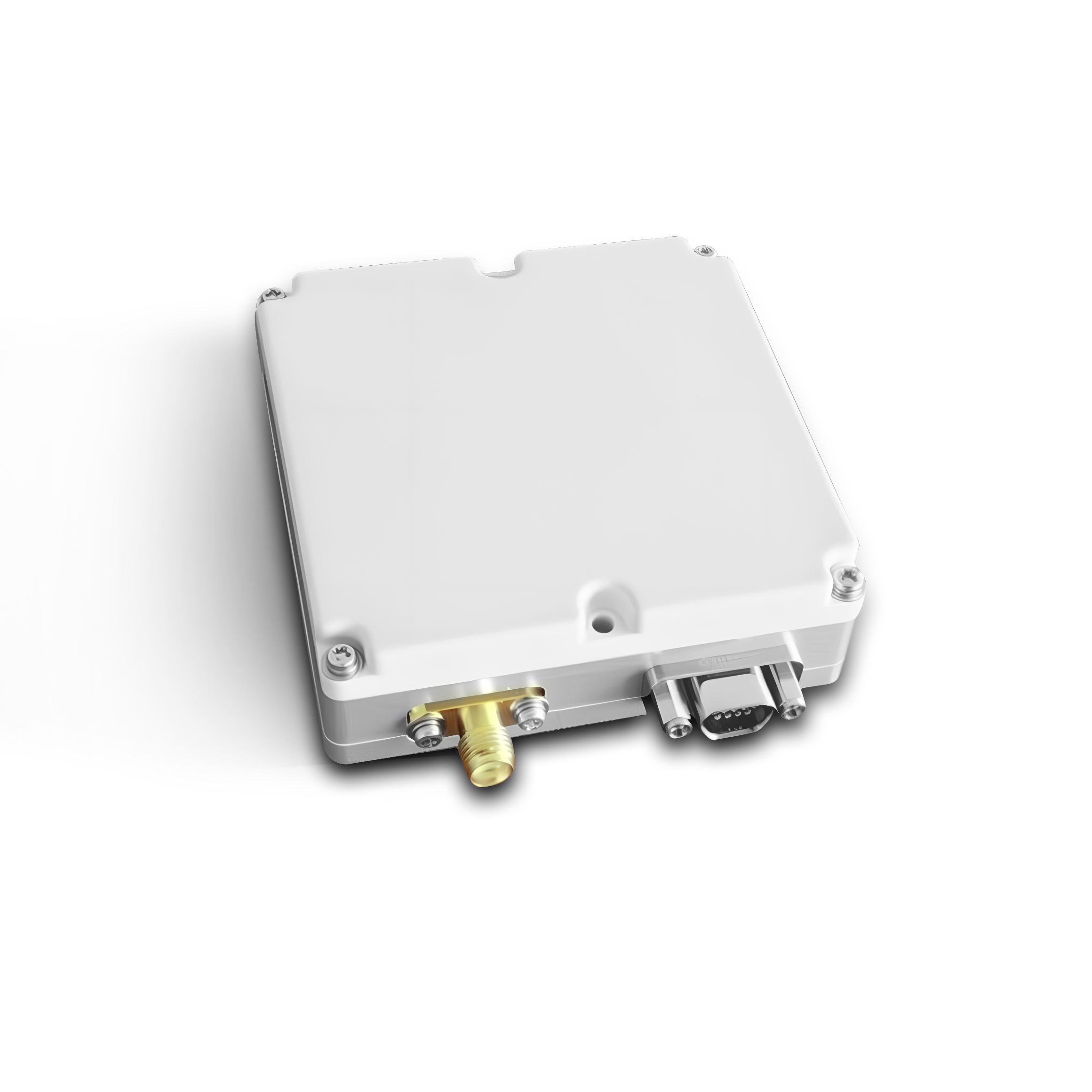 SLA-4B1L1-65
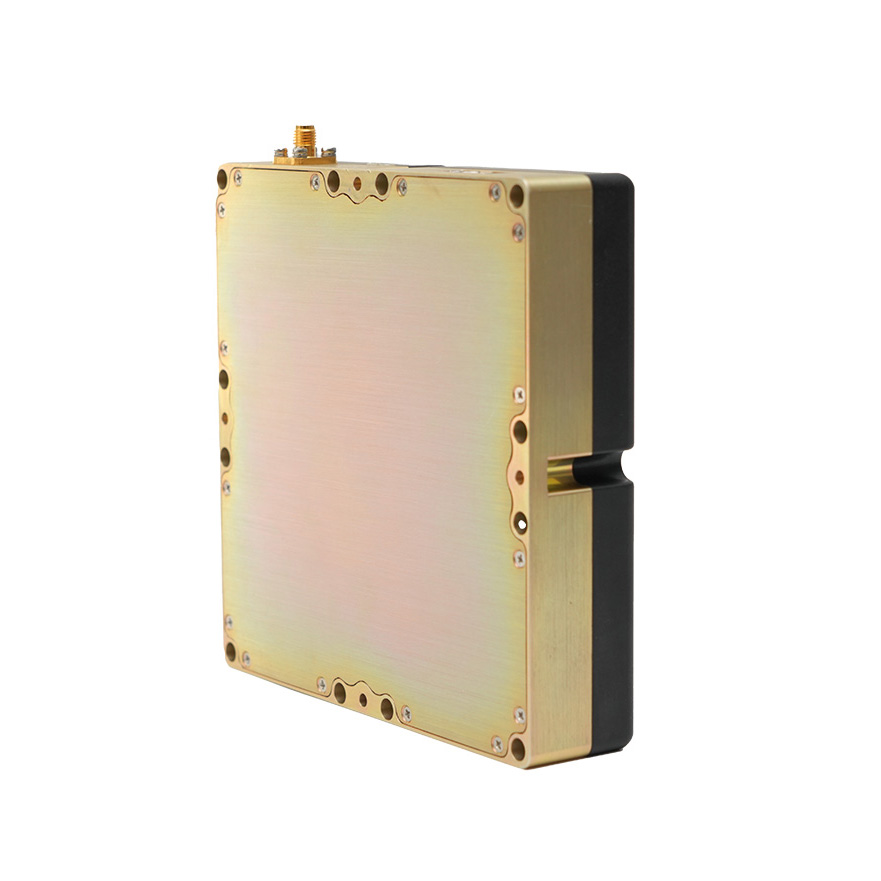 SLA-4B1L1-130
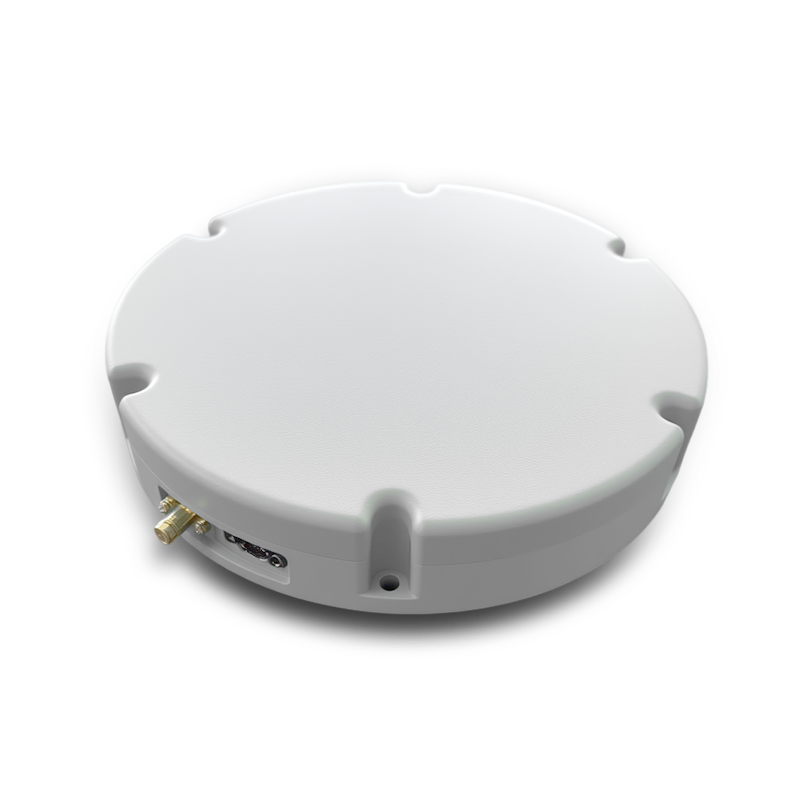 SLA-8B1L1-165
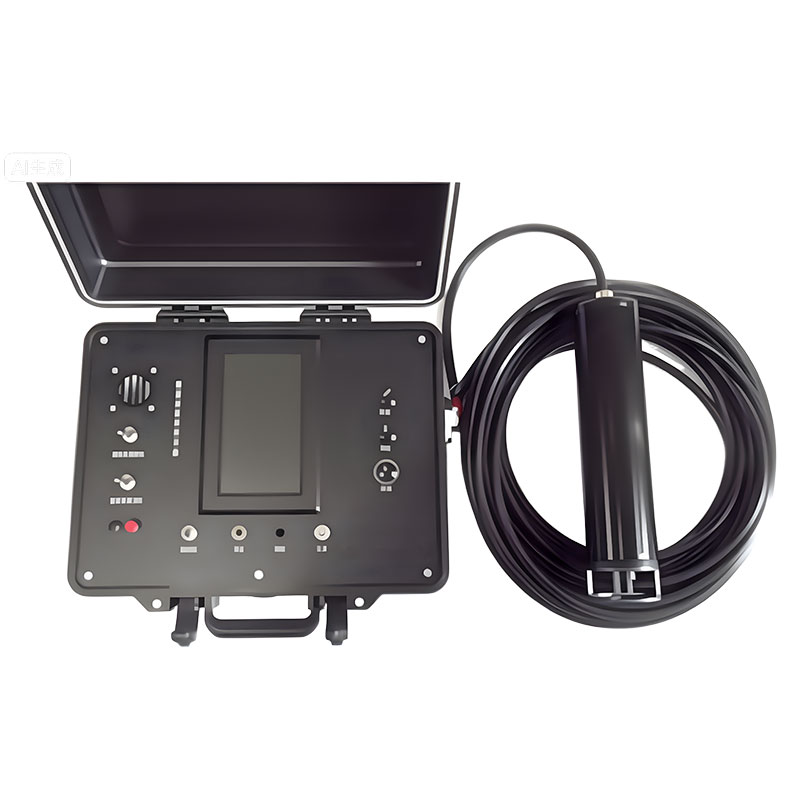 DIVER 101
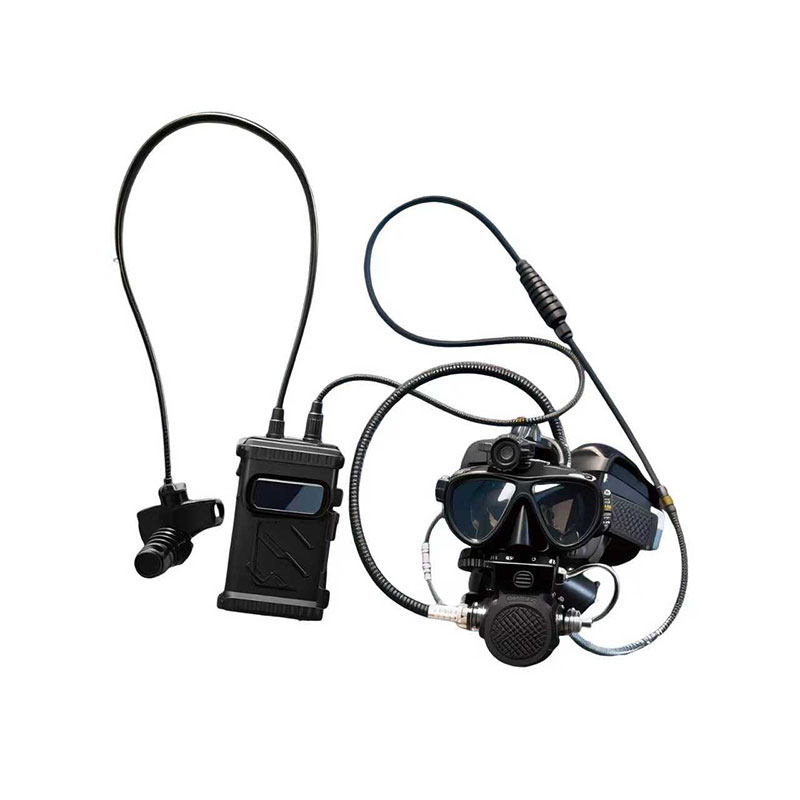 DIVER 102
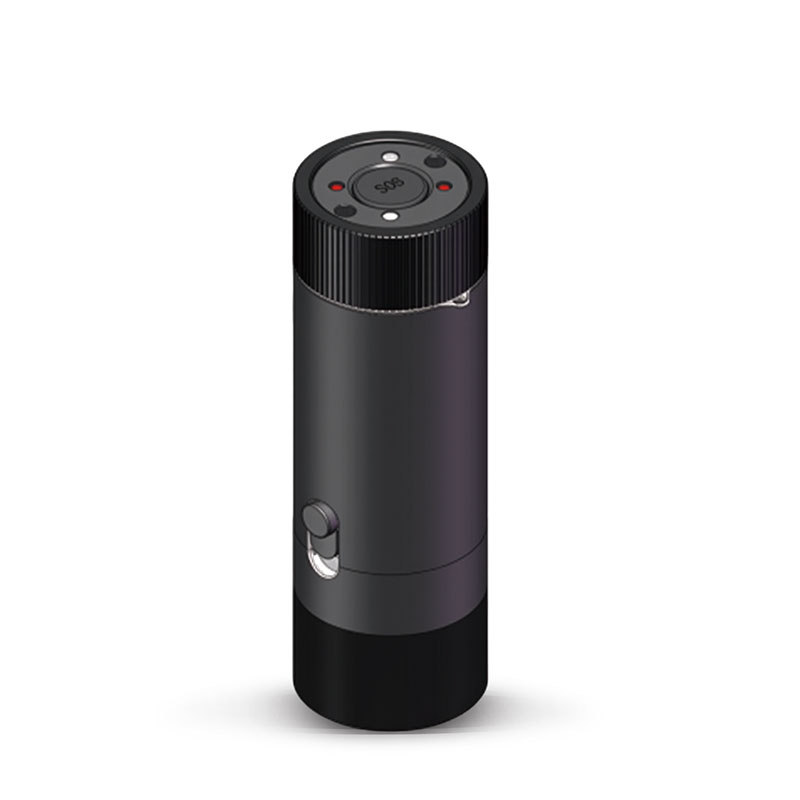 DIVER 103
 DIVER 104
 DIVER 105
 DIVER 106
 SLLR3000
 SLLR905
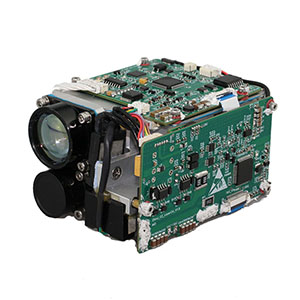 SLLD25
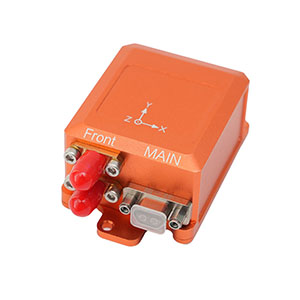 160M
160M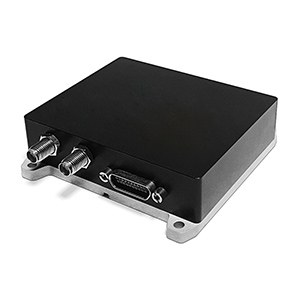 170M
170M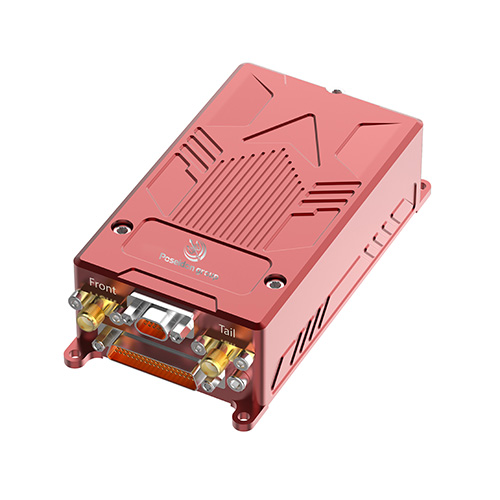 SLFC-70
 SLAF280
 MR360
MR360