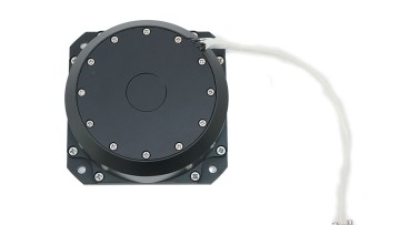
Navigation tech is always evolving, and one of the standout components nowadays is the Strapdown Inertial System. It plays a pretty crucial role, giving essential data for a variety of fields—from flying in aerospace to powering autonomous cars. If you’ve seen the latest market reports, like from MarketsandMarkets, they expect the global inertial navigation system market to hit around USD 13.63 billion by 2025, with a growth rate of about 7%. The key driver? People want more accurate positioning tools, and Strapdown Inertial Systems are meeting that need perfectly — they can deliver precise orientation and navigation info without the hassle of bulky mechanical gimbals, which is a big plus.
Now, take Poseidon International Group in Hong Kong — they’ve really been riding the wave of this tech revolution. Started back in 2013, they’ve carved out a niche in researching, designing, and manufacturing fiber optic gyroscopes (FOG) and inertial navigation systems (INS). They’re big on innovation, holding several patents, and their advanced attitude and control systems make the most of what Strapdown Inertial Systems can do. As more industries jump into autonomous tech, understanding how these systems work — and their benefits — isn’t just useful, it’s essential. It’s gonna help boost navigation accuracy and speed up the adoption of self-driving cars and smart tech in general.

What is a Strapdown Inertial System?
A strapdown inertial system is a type of inertial navigation system that relies on accelerometers and gyroscopes mounted directly to the body of a vehicle, such as an aircraft or a spacecraft. Unlike traditional inertial navigation systems that utilize gimbaled sensors to maintain a stable reference frame, strapdown systems avoid mechanical gimbals by using digital processing techniques to mathematically account for the vehicle's orientation and movement. This innovative approach simplifies the system's design, reduces weight, and enhances reliability.
The core function of a strapdown inertial system revolves around the continuous measurement of linear acceleration and angular velocity. These readings are processed through algorithms that integrate the data over time to compute the position, velocity, and attitude of the vehicle. This enables real-time navigation and orientation updates, which are crucial for applications in aerospace, automotive, and even robotics. The adaptability of strapdown systems to various environments and their relative insensitivity to external factors make them a popular choice in modern navigation technology.
Key Components of Strapdown Inertial Systems
Strapdown inertial systems have become pivotal in modern navigation technology, particularly within the realms of unmanned vehicles and defense applications. Key components of these systems include MEMS sensors, digital signal processors, and advanced algorithms that collectively provide precise motion sensing and navigation capabilities. The market for inertial navigation systems is projected to witness substantial growth, with a significant increase in demand expected by 2032 due to their integration into various applications, including aerospace, automotive, and robotics. Particularly, the emergence of miniaturized navigation components aims to reduce size and weight, enhancing the efficacy of unmanned vehicles.
As reported in various industry analyses, advancements such as the dithered ring laser gyroscope (DRLG) have underscored the importance of temperature field analysis and optimized design in strapdown inertial systems. These components are proving essential in maintaining accuracy and reliability in challenging environments. Inertial Labs’ recent launch of a new GNSS-aided inertial navigation system highlights the rapid advancements within this sector, responding to the growing needs for enhanced navigation solutions across different industries.
**Tips:** When considering a strapdown inertial system, companies should prioritize components that offer durability and efficiency to adapt to varying environmental conditions. Staying updated on technological innovations, like fiber optic gyroscopes, can provide a competitive edge in the evolving market landscape.
Key Components of Strapdown Inertial Systems
Principles of Operation in Strapdown Inertial Systems
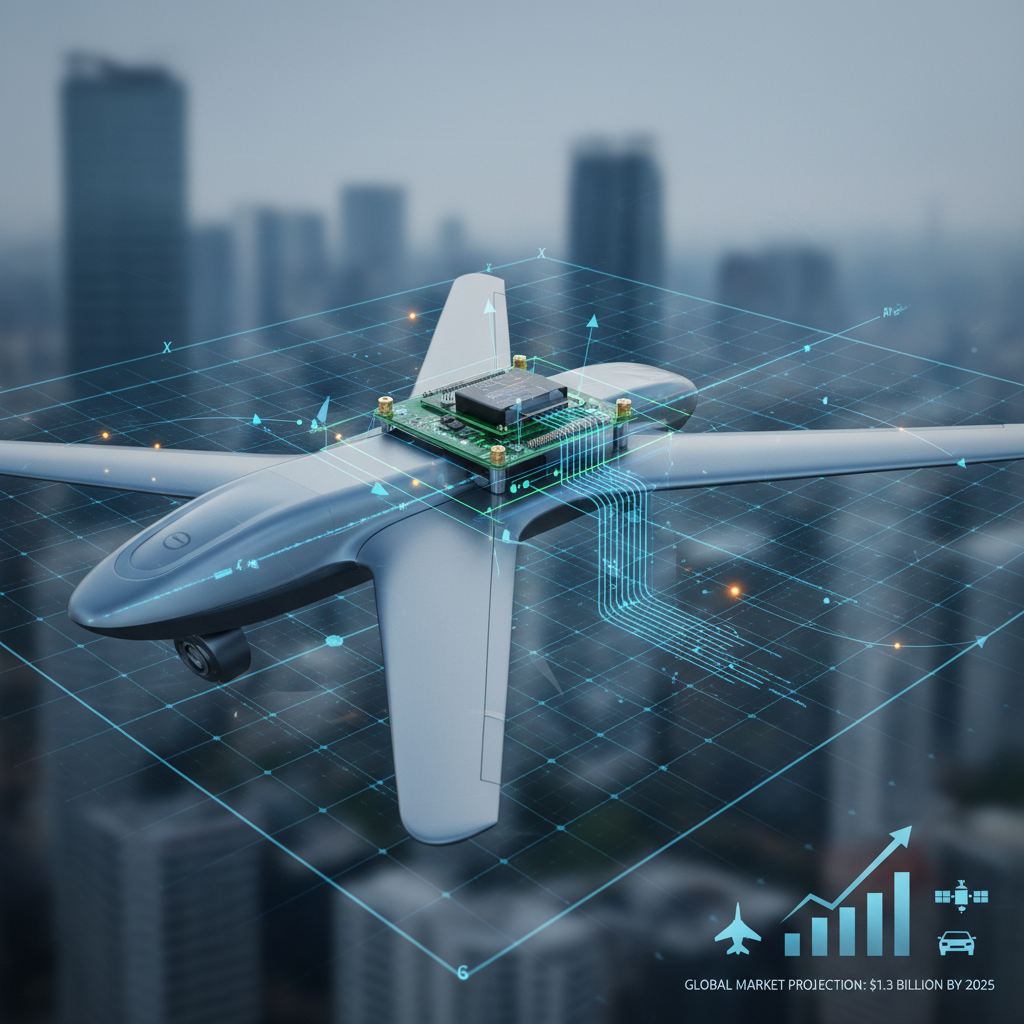
Strapdown inertial systems have revolutionized navigation and motion tracking by integrating the inertial sensors directly onto the moving platform, eliminating the need for gimbals. This design significantly reduces system weight and complexity while enhancing reliability. The core operating principle relies on the continuous measurement of angular velocity and linear acceleration via gyroscopes and accelerometers. These sensors collect data in the body frame of the vehicle, which is subsequently transformed into a global reference frame using computational algorithms. According to a recent report by MarketsandMarkets, the strapdown inertial navigation market is projected to reach $1.3 billion by 2025, driven by its applications in defense, aerospace, and automotive sectors.
The processing of data in strapdown systems involves sophisticated algorithms, typically utilizing Kalman filtering to minimize errors from sensor noise and drift. The reported accuracy of strapdown systems can reach 0.1 degrees for angular measurements and a drift rate as low as 0.5 m/s for velocity outputs. Such precision is crucial for applications like UAV navigation and missile guidance. As technology advances, the integration of artificial intelligence in data processing is expected to further enhance the effectiveness and efficiency of strapdown inertial systems, potentially transforming various industries relying on precise motion dynamics.
Advantages of Using Strapdown Inertial Systems
Strapdown inertial systems offer several advantages that make them increasingly popular in various applications, particularly in navigation and robotics. One of the primary benefits is their compact design, which eliminates the need for gimbals traditionally used in inertial measurement units (IMUs). This compactness not only reduces the overall weight of the system but also simplifies integration into more extensive platforms, making them ideal for drones, missiles, and vehicles where space and weight are critical considerations.
Another significant advantage of strapdown systems is their cost-effectiveness. With fewer mechanical components compared to gimbaled systems, strapdown IMUs are generally less expensive to produce and maintain. Additionally, the advancements in digital signal processing and algorithms allow strapdown systems to achieve high accuracy levels, making them reliable for real-time applications. As a result, businesses can benefit from enhanced performance without incurring substantially higher costs, enabling broader adoption across industries requiring precise motion tracking and navigation.
Applications of Strapdown Inertial Systems in Various Fields
Strapdown inertial systems are gaining traction across various fields due to their ability to provide accurate motion sensing without the need for complex gimbals that traditional systems require. These systems are integral in aerospace applications, where they guide spacecraft and drones by accurately measuring their orientation and velocity. The compact nature of strapdown systems makes them suitable for installation in smaller vehicles, enabling them to deliver precise navigation data even in dynamic environments.
In the automotive sector, strapdown inertial systems play a crucial role in advanced driver-assistance systems (ADAS) and autonomous vehicles. They help in determining vehicle position and movement in real-time, facilitating enhanced safety features such as collision avoidance and lane-keeping assist. Additionally, the gaming and virtual reality industries have begun adopting these systems to enhance user experiences by accurately tracking movements in three-dimensional space.
Tip: When selecting a strapdown inertial system for a specific application, consider factors like size, weight, and integration complexity to ensure it aligns with your project requirements. Furthermore, check for software compatibility to facilitate easier data processing and integration into existing systems.
Challenges and Limitations of Strapdown Inertial Systems
Strapdown inertial systems, while offering several advantages over traditional inertial measurement units, come with a range of challenges and limitations that can impact their performance. One of the primary issues is sensitivity to noise and errors in sensor measurements. Even slight inaccuracies in the data collected from accelerometers and gyroscopes can lead to significant drift over time, affecting the overall accuracy of the navigation solution. This necessitates sophisticated filtering techniques and error correction algorithms, which complicate the system’s design and implementation.
Another challenge is the requirement for precise calibration of the sensors. Strapdown systems rely heavily on the alignment and calibration of their sensors to maintain accuracy. Misalignments, whether due to manufacturing defects or changes in system orientation, can introduce errors that are difficult to correct. Additionally, these systems may struggle in environments with high accelerative forces or vibrations. Such conditions can exacerbate the noise and error issues, making reliable data collection more difficult. As a result, engineers must carefully consider these limitations when designing strapdown inertial systems for applications requiring high precision and reliability.
Future Developments in Strapdown Inertial Technology
The future of strapdown inertial technology is poised for significant advancements as the market for miniaturized navigation systems continues to grow. With the global rise in the adoption of unmanned vehicles—expected to reach a market size of $29 billion by 2032—there is an increasing demand for components that can reduce the overall system size and weight without compromising performance. This trend highlights the necessity for innovative engineering solutions focused on creating lightweight, compact inertial navigation systems that can seamlessly integrate into diverse platforms.
Key players in the industry are exploring state-of-the-art solutions to address these challenges. The development of full solid-state systems aims to enhance reliability and reduce maintenance requirements. Additionally, advancements in alignment techniques and gravity disturbance compensation are vital for improving the accuracy of inertial navigation systems, especially in complex operational environments. Enhanced fault diagnosis methods are also becoming crucial in ensuring optimal performance of inertial measurement units, further driving the demand for high-precision systems across various sectors, including autonomous construction and military applications. As this technology progresses, it will undoubtedly redefine navigation capabilities in increasingly automated industries.
Navigating the Future: Analyzing the Impact of UAVs Navigation Digital BSD98 on Inertial Sensor Market Trends and Precision
The integration of UAV navigation systems is rapidly transforming the landscape of various markets, particularly the inertial sensor sector. As the demand for precision in navigation grows, technologies like the Poseidon BSD98 fiber optic gyroscope are setting new standards. Engineered with digital closed-loop technology, the BSD98 offers remarkable zero-bias stability ranging from 0.01°/h to 0.05°/h through advanced smoothing techniques. This high-performance device plays a critical role in ensuring the reliability and accuracy needed for both commercial and defense applications.
In addition to its impressive stability metrics, the Poseidon BSD98 is designed for rugged environments, making it ideal for a range of applications in high-precision inertial navigation systems and vehicle-mounted positioning. Its compact size (98mm×98mm×35mm) and lightweight design (≤470g) contribute to its versatility, allowing for seamless integration into UAVs and other automated systems. With rapid startup capabilities and exceptional resistance to vibration and shock, the BSD98 stands out as a premium choice for developers seeking cutting-edge technology to enhance navigation precision amidst the evolving demands of the industry.
FAQS
: Strapdown inertial systems face challenges such as sensitivity to noise and errors in sensor measurements, requiring sophisticated filtering techniques and error correction algorithms to maintain accuracy.
Precise calibration is crucial because strapdown systems rely on the alignment of their sensors to maintain accuracy; misalignments can introduce hard-to-correct errors.
High accelerative forces or vibrations can exacerbate noise and error issues, making reliable data collection more difficult in such environments.
The rise in adoption of unmanned vehicles, projected to create a market size of $29 billion by 2032, is driving demand for miniaturized and lightweight navigation systems.
Key developments include full solid-state systems to enhance reliability, advancements in alignment techniques, gravity disturbance compensation, and enhanced fault diagnosis methods.
Future developments aim to create lightweight, compact inertial navigation systems that integrate seamlessly into various platforms while improving accuracy and reducing maintenance requirements.
The demand for high-precision inertial systems is increasing in sectors such as autonomous construction and military applications.
Error correction algorithms are essential for mitigating the drift caused by inaccuracies in data collected from sensors, thus enhancing the overall performance of the navigation solution.
Conclusion
Strapdown Inertial Systems are advanced navigation systems that integrate sensors and algorithms to provide accurate position, velocity, and attitude information without the need for external references. These systems utilize key components such as accelerometers and gyroscopes, operating based on principles of inertial measurement and mathematical transformations, enabling them to deliver real-time data across various applications. The advantages of Strapdown Inertial Systems include reduced size and weight, increased reliability, and lower costs, making them ideal for use in aerospace, automotive, and robotics industries.
At Poseidon International Group (Hong Kong) Limited, our expertise in the design and production of inertial navigation systems and fiber optic gyroscopes positions us at the forefront of Strapdown Inertial System technology. As we continue to innovate and develop solutions that address challenges in accuracy and environmental factors, we aim to expand the possibilities for autonomous systems and advanced navigation, contributing significantly to the future of this field.

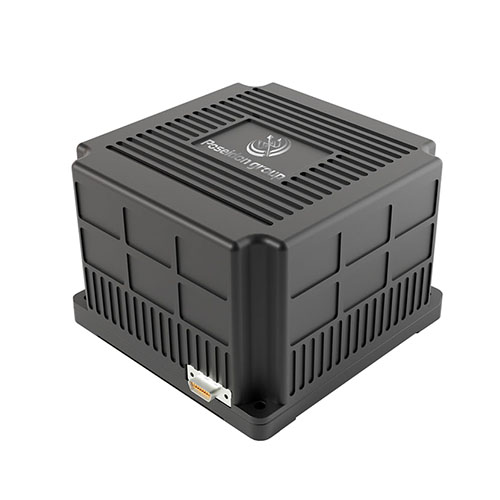 TBSD60
 BSD120
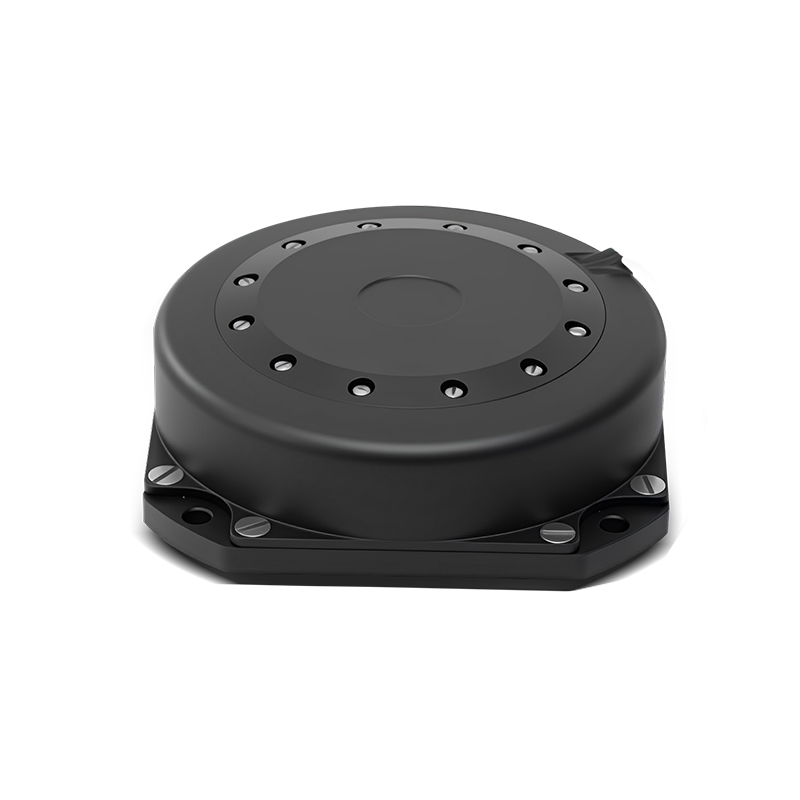 BSD98
BSD98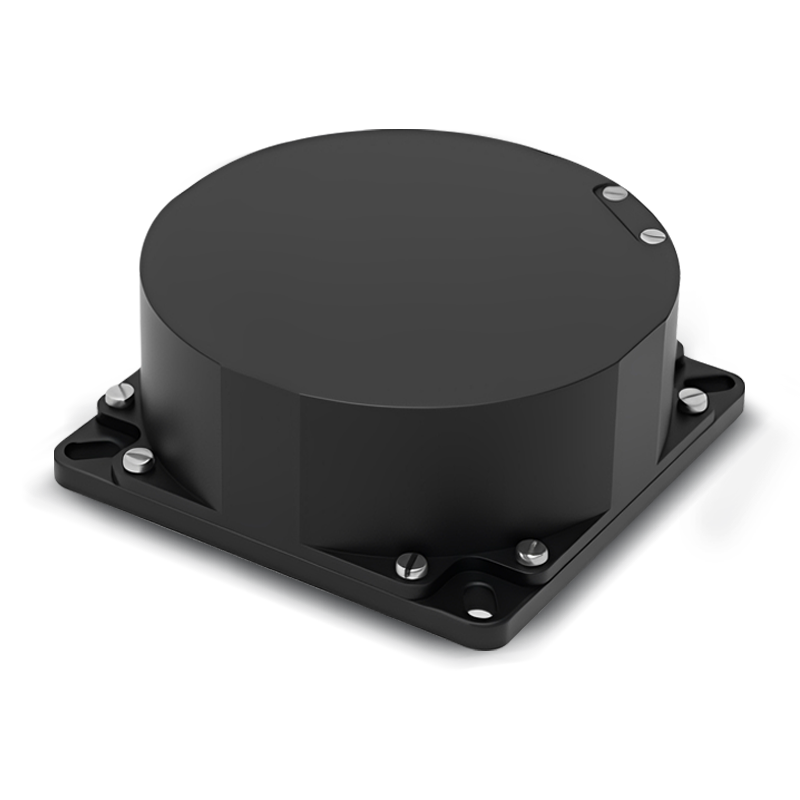 BSD70
BSD70 BSD60
BSD60 BSD50
BSD50 BSD217
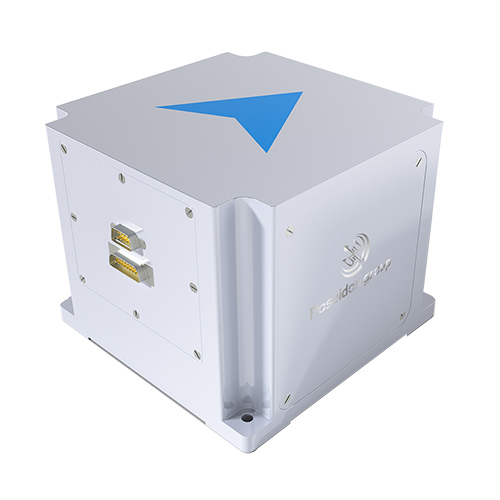 INS1700
 INS970
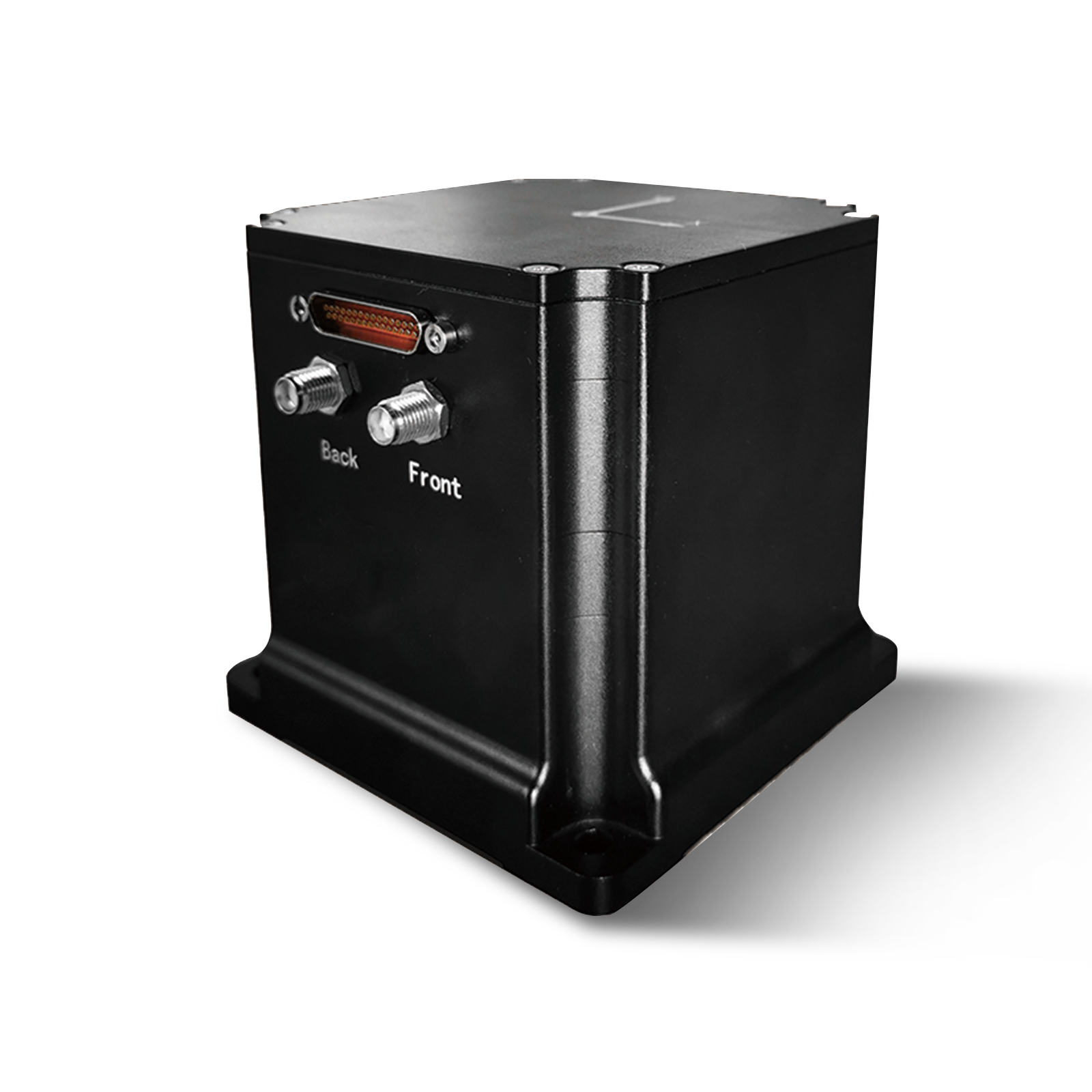 INS570
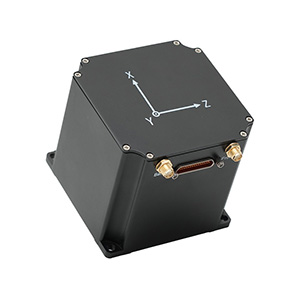 INS170
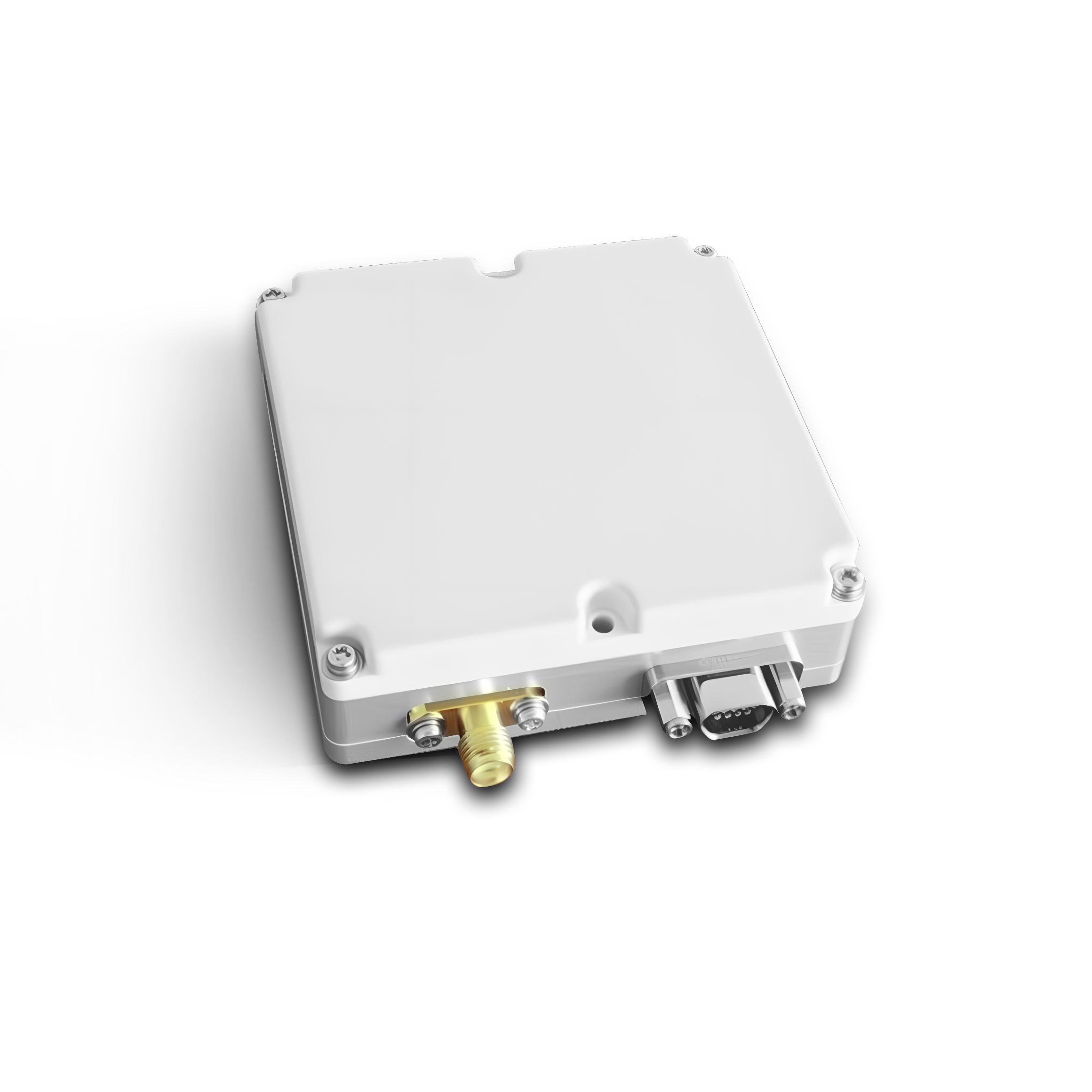 SLA-4B1L1-65
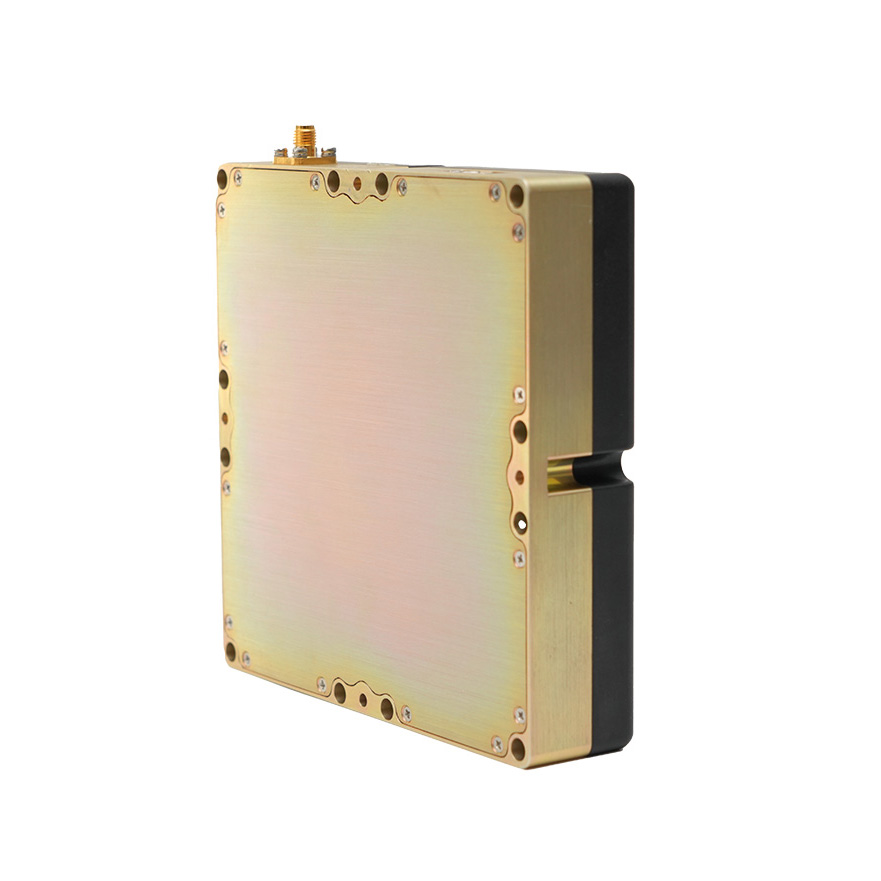 SLA-4B1L1-130
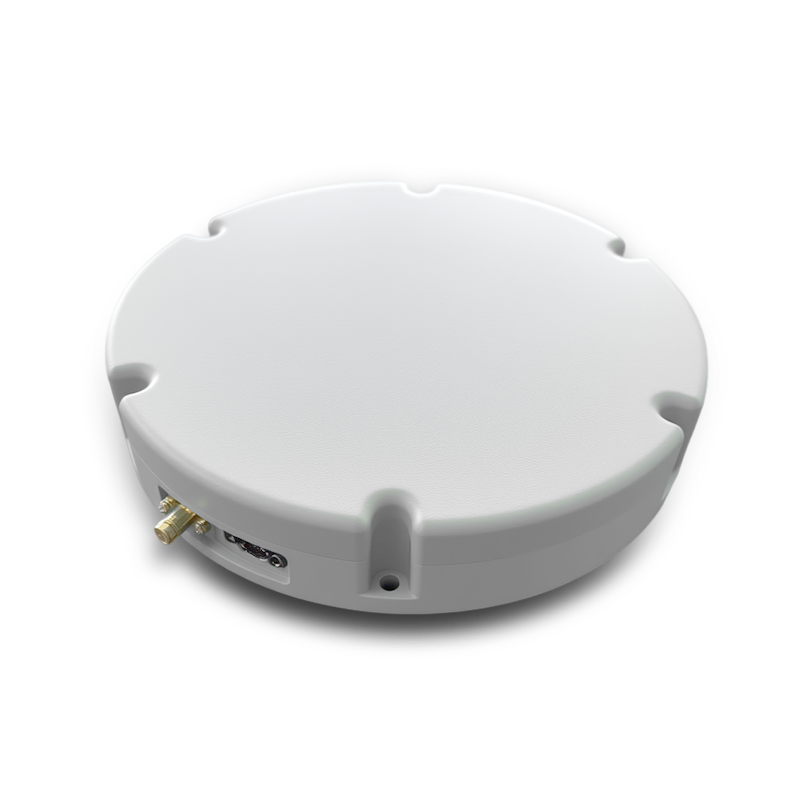 SLA-8B1L1-165
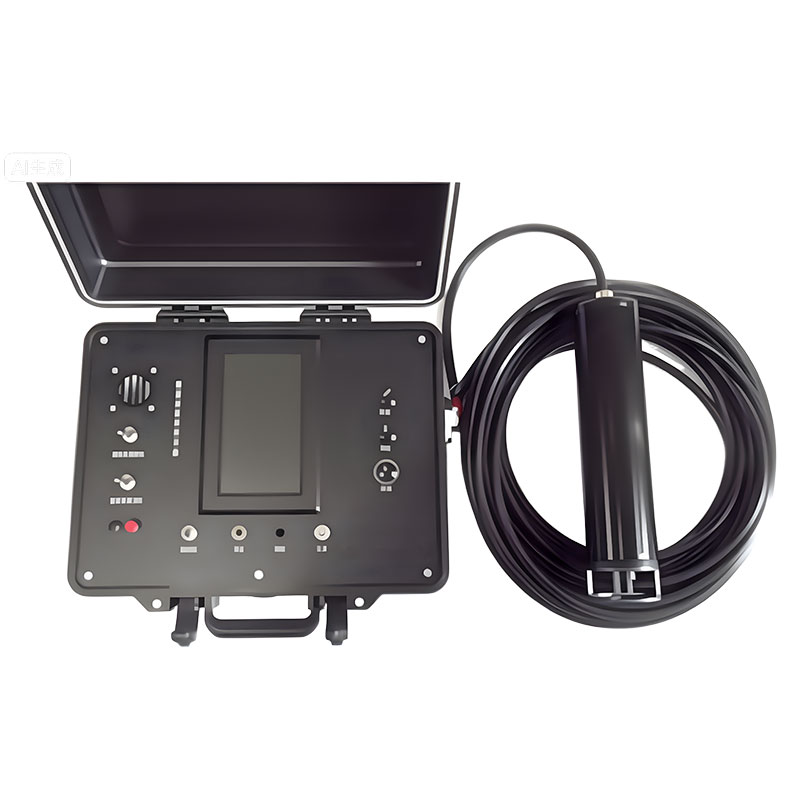 DIVER 101
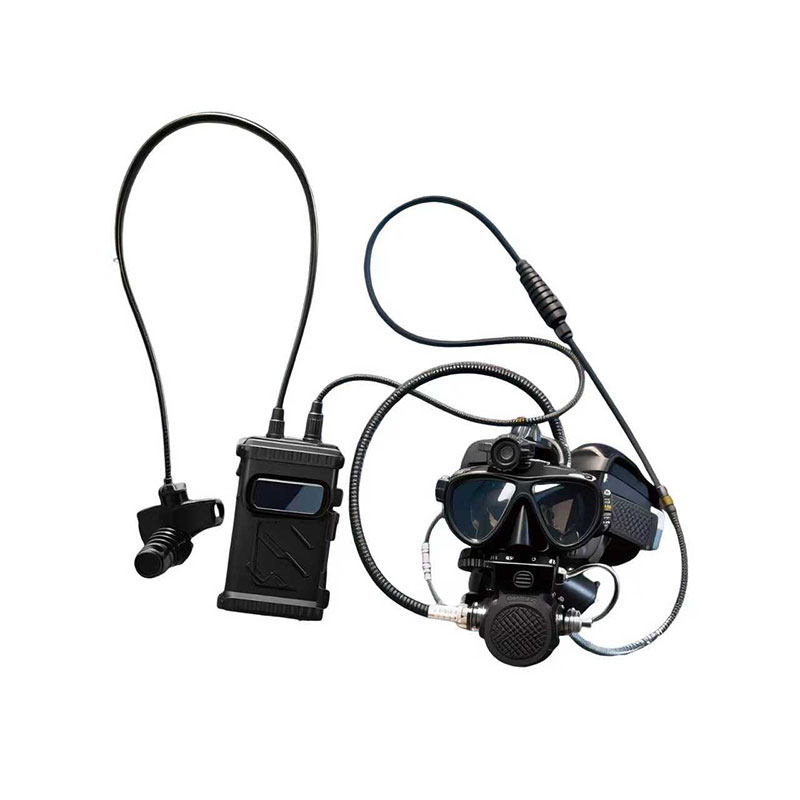 DIVER 102
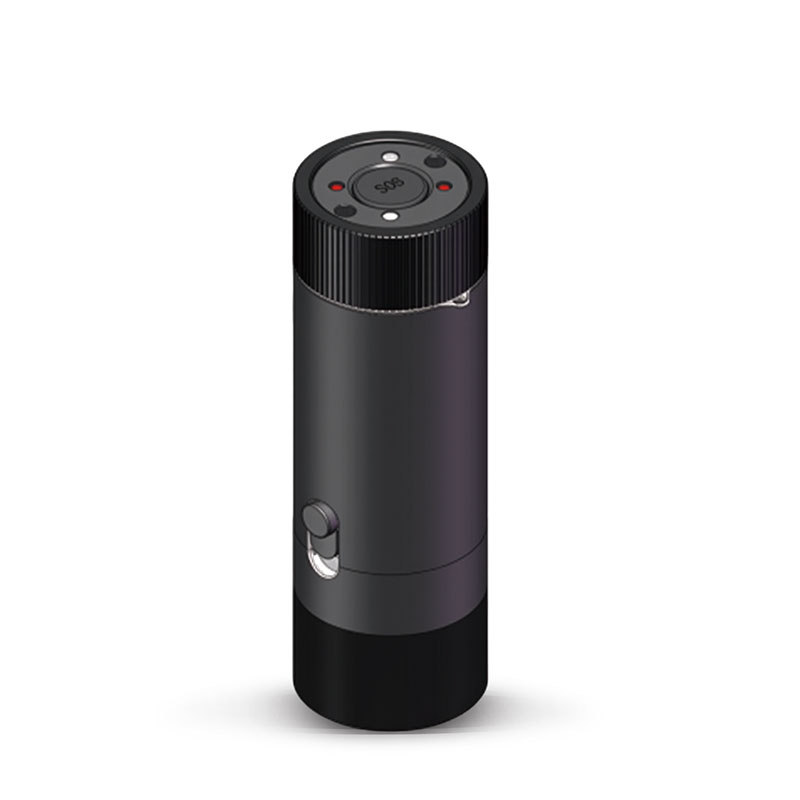 DIVER 103
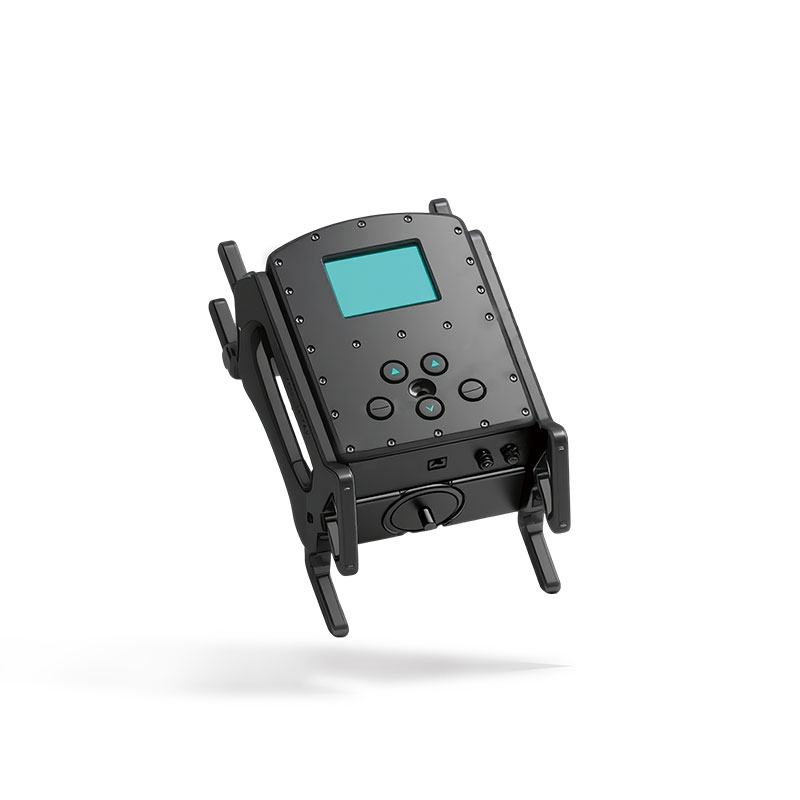 DIVER 104
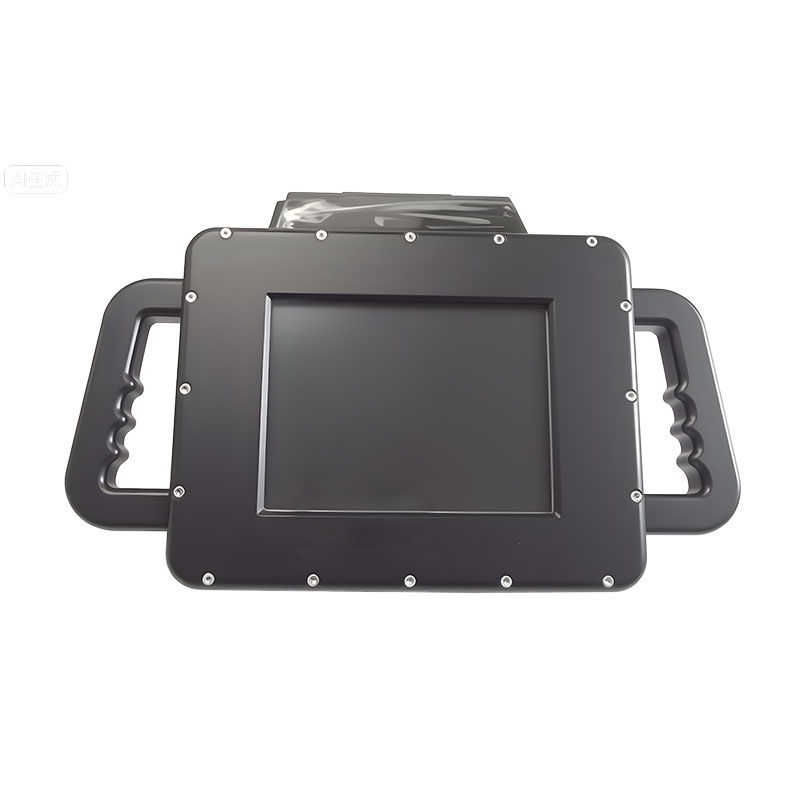 DIVER 105
 DIVER 106
 SLLR3000
 SLLR905
 SLLD25
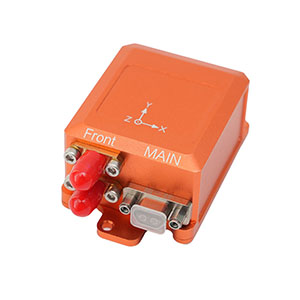 160M
160M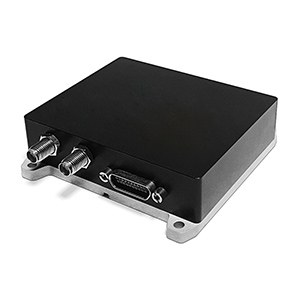 170M
170M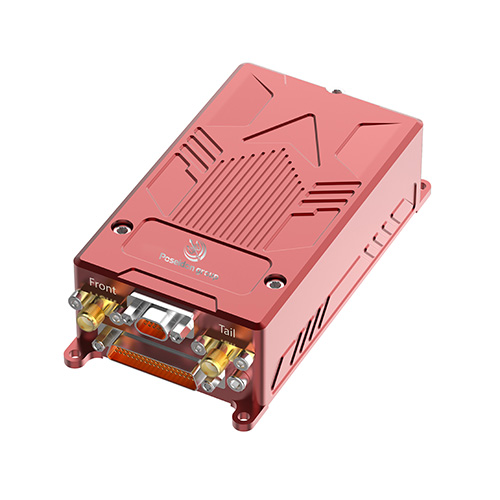 SLFC-70
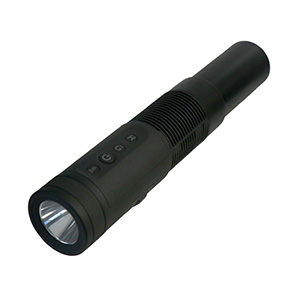 SLAF280
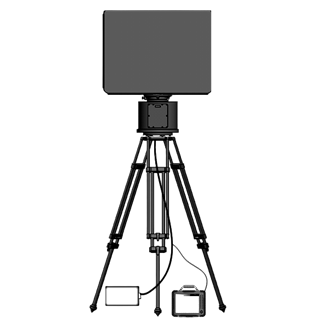 MR360
MR360